

What Is Drip Edge and Why Alabama Roofs Need It
Maybe you keep hearing about drip edge, but you’re not exactly sure what it is. You’re not alone! It's one of the most overlooked pieces of a roofing system, a thin strip of metal that runs along the very edge of your roof. Most homeowners walk past it every day without ever knowing it's there. But ask any qualified roofer what separates a roof that lasts from one that fails early - and you’ll find that drip edge plays a critical role.
Here's what it is, what it does, and why it matters more in Alabama than in a lot of other places.
What Is Drip Edge?
Drip edge is a strip of metal flashing, usually aluminum or galvanized steel, installed along the eaves and rake edges of your roof, right where the shingles meet the fascia board. It's shaped so that water rolling off your roof drips cleanly into the gutter instead of curling back underneath the shingles or running down behind the fascia.
Essentially, drip edge is the roof's exit ramp for water. Without it, water has nowhere to go once it reaches the edge - which means it can find it’s way into places it was never meant to be. And unwanted water access usually means devastating effects to your home over time.
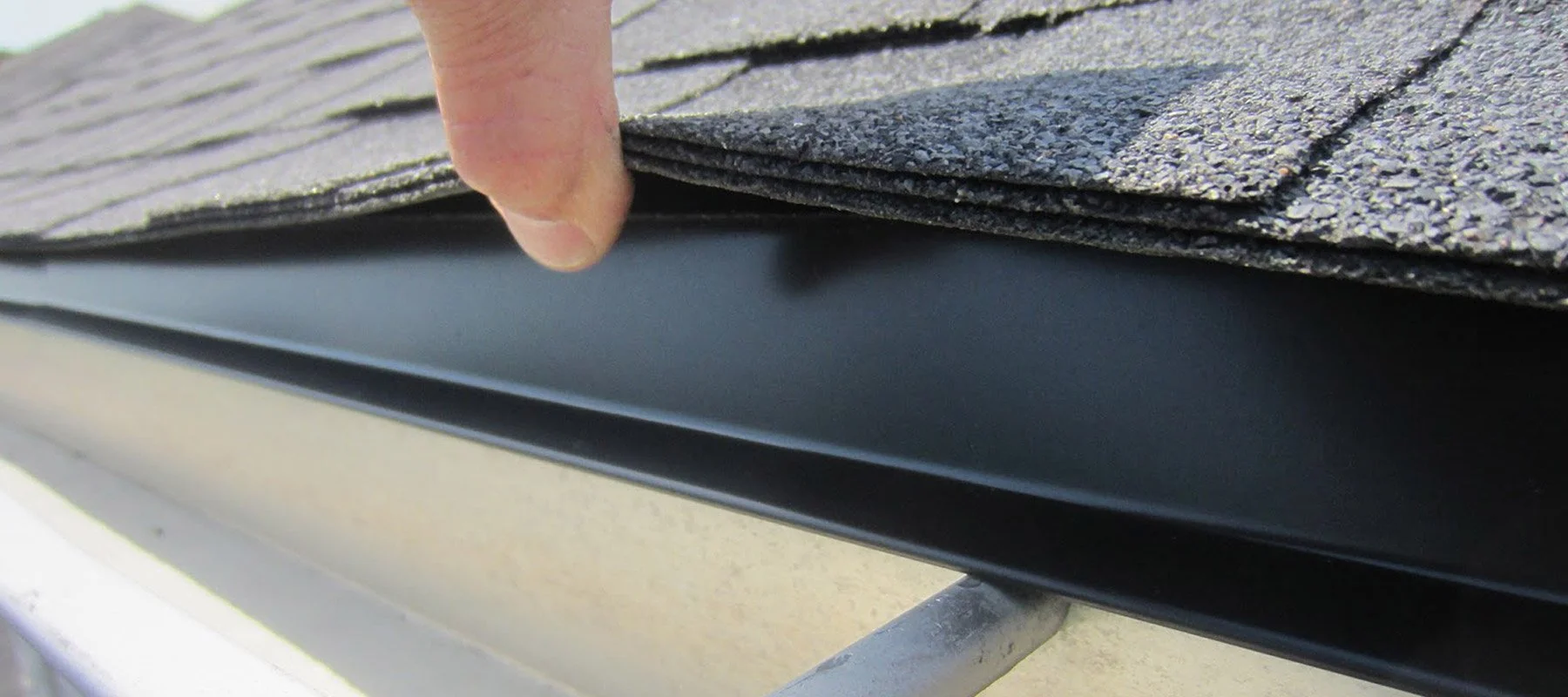
Image source: IKO.com
What Drip Edge Actually Does
💧 Directs Water
Water naturally clings to surfaces as it moves, which means without a barrier it can creep backward under your shingles instead of falling straight into the gutter. Drip edge sends water exactly where it should go.
🛡️ Protects Fascia & Roof Deck
The fascia board and the wooden decking beneath your shingles are two of the most vulnerable parts of your roof. Left exposed to constant moisture, they can rot, weaken, and eventually need costly repair or replacement.
🐿️ Keeps Pests Out
Small gaps between the roof deck and fascia are an open invitation to squirrels, wasps, and other critters looking for a way into your attic. Drip edge seals that gap.
⛈️ Resists Wind-Driven Rain
During a storm, wind can push rain sideways and even upward under the roof edge. A properly installed drip edge is built to resist that.
🏠 Better Roofline Curb Appeal
It's a small detail, but it's part of what makes a roof look complete and well-built from the curb.
Why It Matters Even More in Alabama
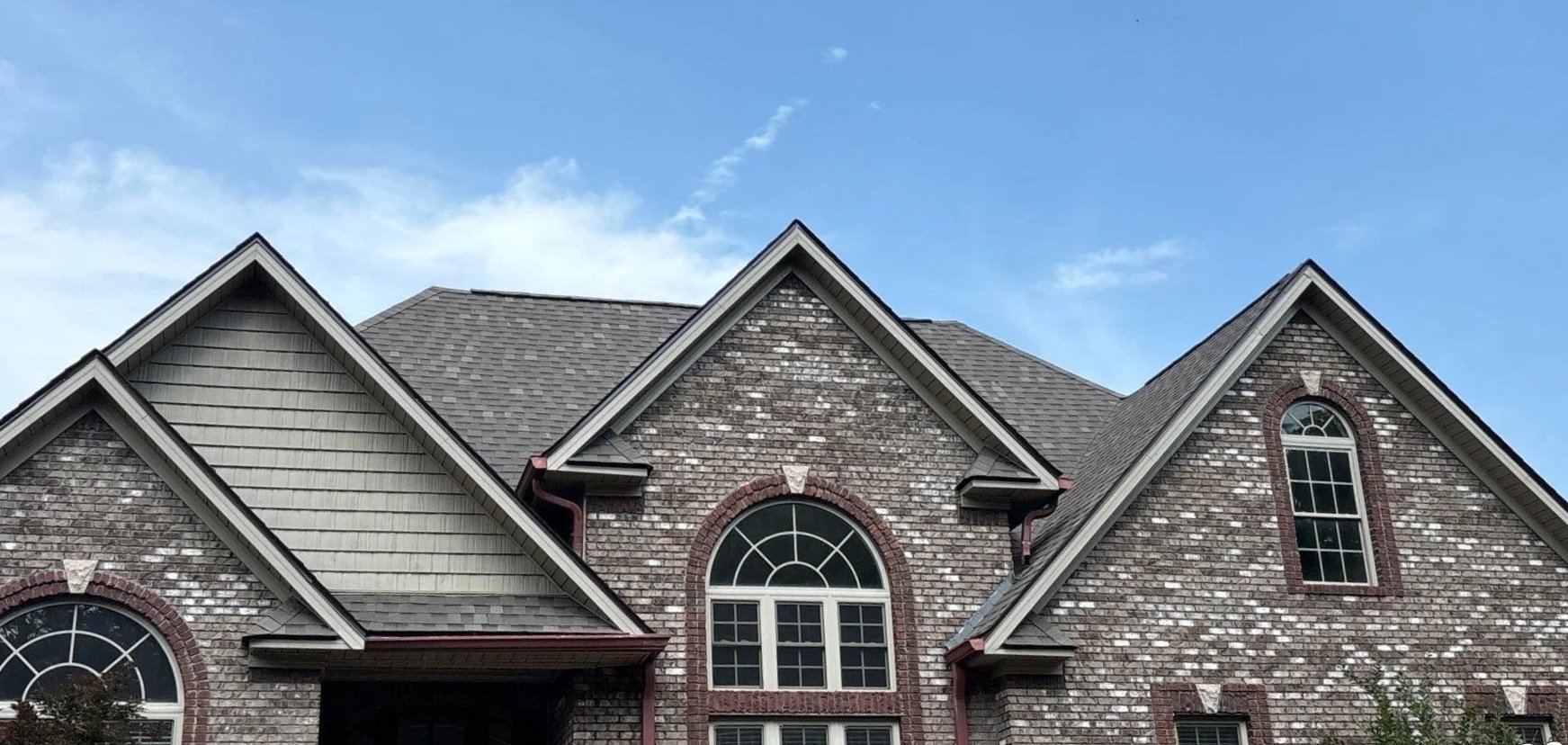
Alabama's building code, based on the International Residential Code, requires drip edge on shingle roofs statewide, so it's not optional. But the bigger story is what drip edge means for storm resilience and your wallet.
Beyond storms, Alabama roofs deal with sustained moisture exposure throughout most of the year, thanks to humidity and frequent heavy rainfall. That water combined with high winds from Gulf-driven weather events, inland thunderstorms, and our infamous tornado season, means that a well-installed drip edge is one of the roof's first lines of defense.
Signs Your Drip Edge Needs Attention
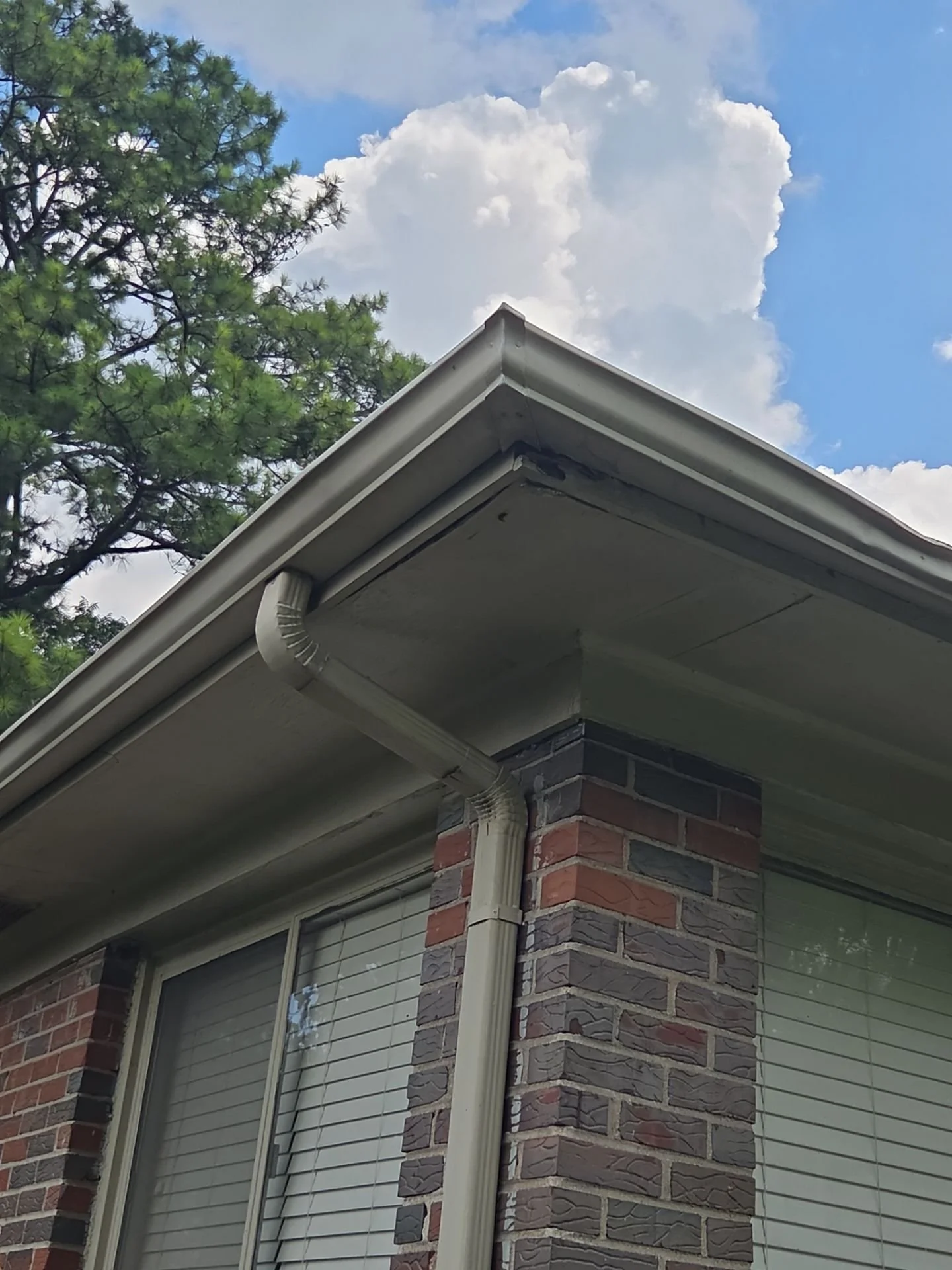
Visible rust or corrosion along the roofline
Sections that are bent, loose, or missing entirely
Water stains or rot on the fascia board
Water pooling behind the gutters instead of flowing into them
If you notice any of those signs, it's worth having a professional take a look before it turns into a bigger repair.
The Bottom Line
Drip edge is small, inexpensive, and easy to overlook, but it can be the reason a roof holds up in a storm or the reason it doesn't. At NANOROOF™ Alabama, professional drip edge installation is a standard part of how we build every roof, right, not just to code, but to last.
👉 Have questions about your roof's drip edge or overall condition? We offer free photo and drone roof inspections across Alabama. No sales pressure - just an honest look at how well your roof is holding up.