

It's an El Niño Year for Alabama — What That Means for Your Roof
If you've caught any weather coverage lately, you've probably heard the term "El Niño" getting thrown around a lot more than usual this year. NOAA's Climate Prediction Center confirmed it's not just talk. We're heading into a strong El Niño winter, and for Alabama homeowners from Birmingham to Huntsville to Montgomery, that's worth paying attention to well before the first big storm rolls through.
Here's what's actually happening, what it means for your roof, and what you can do now to get ahead of it.
Source: NOAA Climate Prediction Center, ENSO Diagnostic Discussion; UAH Alabama Office of the State Climatologist
What El Niño Actually Does to Alabama Weather
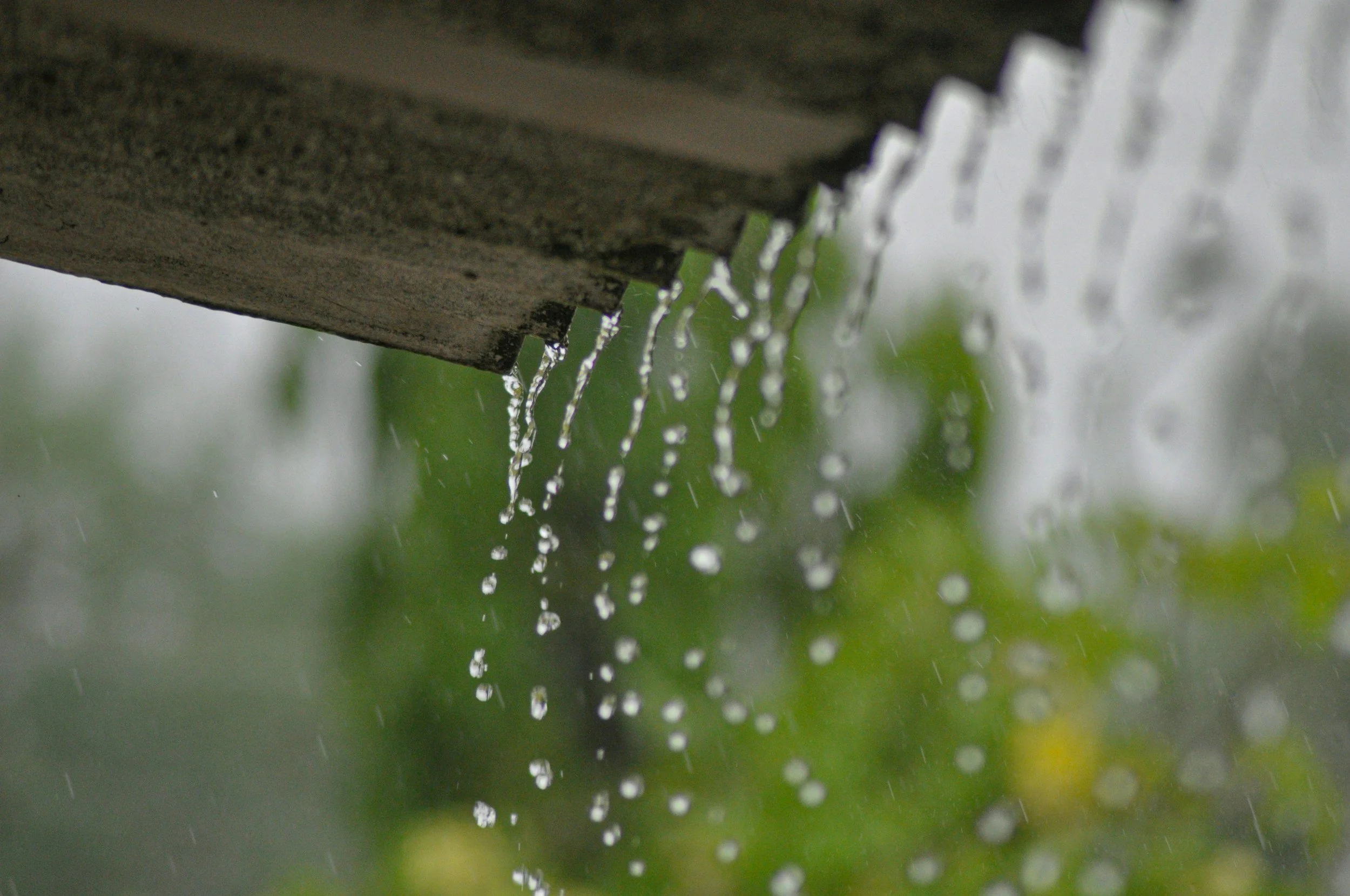
El Niño describes a warming pattern in the Pacific Ocean that reshapes the jet stream all the way over here in the Southeast. Once winter sets in, that stronger, more southern jet stream tends to steer more storm systems straight across Alabama. The result is usually a wetter, cloudier, and slightly cooler winter than average, with the effect showing up most clearly from December through February.
South Alabama typically feels this the most. North Alabama sees a real signal too, just a bit less consistent year to year. Either way, the pattern this year is shaping up to be one of the stronger El Niño events on record, so it's not a subtle one. Keep in mind, the Alabama blizzards of ‘93 and ‘64 both happened during an El Niño.
None of this means we will have a crazy weather event. What it does mean is more rounds of rain, more days with saturated ground, and more opportunities for water to find any weak spot your roof might have. Roofs rarely fail because of one big storm. They fail because small issues get repeated exposure, storm after storm, week after week, which is why so many Alabama roof leaks show up gradually rather than all at once.
Where a Wet Winter Tends to Find Trouble
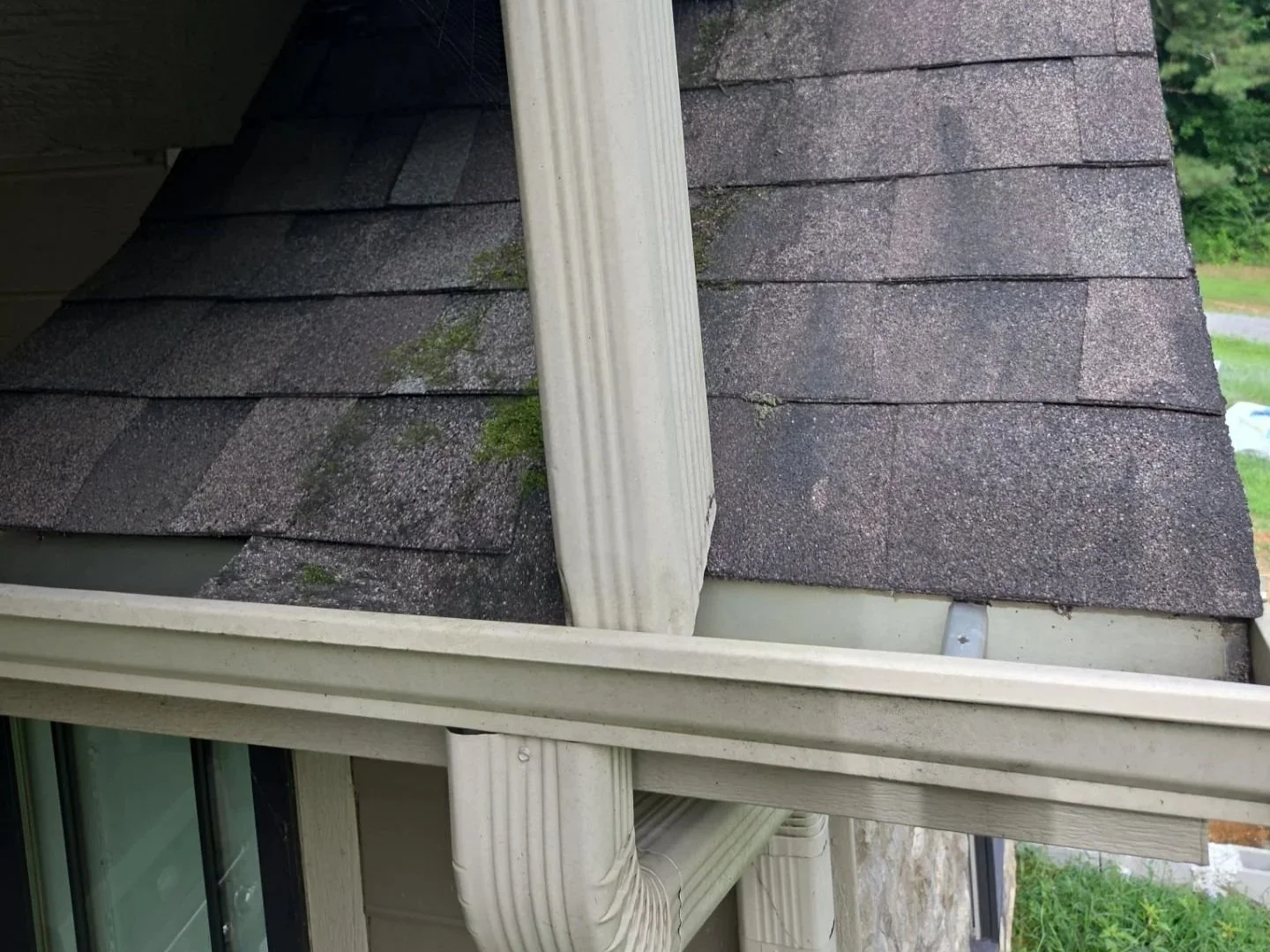
A few spots on your roof do most of the work when it comes to keeping water out, and they're also the first places a wet winter tends to expose:
Flashing around chimneys, vents, and skylights. Small gaps here are invisible from the ground but become a direct path for water once the rain starts stacking up.
Valleys where two roof planes meet. These channel a lot of water fast, and any granule loss or lifted shingle edges shows up here first.
Gutters and downspouts. Clogged gutters back water up under the shingle edge and drip edge instead of carrying it away from your home.
Attic ventilation. More humidity outside means more moisture pressure inside your attic, which is exactly the setup that leads to mold and wood rot if airflow isn't doing its job.
Aging or storm-worn shingles. A roof that's already a few years past its prime has less margin for a season with more rain events than usual, and it's often the deciding factor between a simple roof repair and a full roof replacement.
Getting Ahead of It
A few things worth doing before the wet stretch really kicks in:
- Clear gutters and downspouts, and make sure downspouts are actually directing water away from your foundation.
- Trim back any tree limbs hanging over the roofline. Wet, wind-loaded branches are a common cause of storm damage.
- Walk your attic and look for daylight, damp insulation, or musty smells. It's the easiest early warning sign there is.
- Get a professional set of eyes on your flashing, valleys, and shingle condition before the rain picks up, not after a leak shows up on your ceiling. A quick roof inspection now can save a lot of hassle later.
- If your roof is getting older, ask about your options for wind and water resistant upgrades. It's a good year to be proactive rather than reactive, and stronger roofing systems can also help with homeowners insurance savings.
None of this requires panic. It just requires a little bit of attention now, while the sky is still mostly clear, instead of scrambling once the rain won't quit.
We're Happy to Take a Look
A strong El Niño winter is exactly the kind of thing a free roof inspection is built for. Whether you're in Hoover, Vestavia, Trussville, Tuscaloosa, Gadsden, or anywhere else across our Alabama service area, we'll thoroughly assess your roof and give you an honest read on where you stand, whether that's peace of mind or a heads-up on something worth addressing before winter really settles in.
No pressure, no obligation. Just a local roofing company acting like neighbors, because that's how neighbors do business.