

Where Roof Leaks Usually Start — And What Alabama Homeowners Can Do About Them
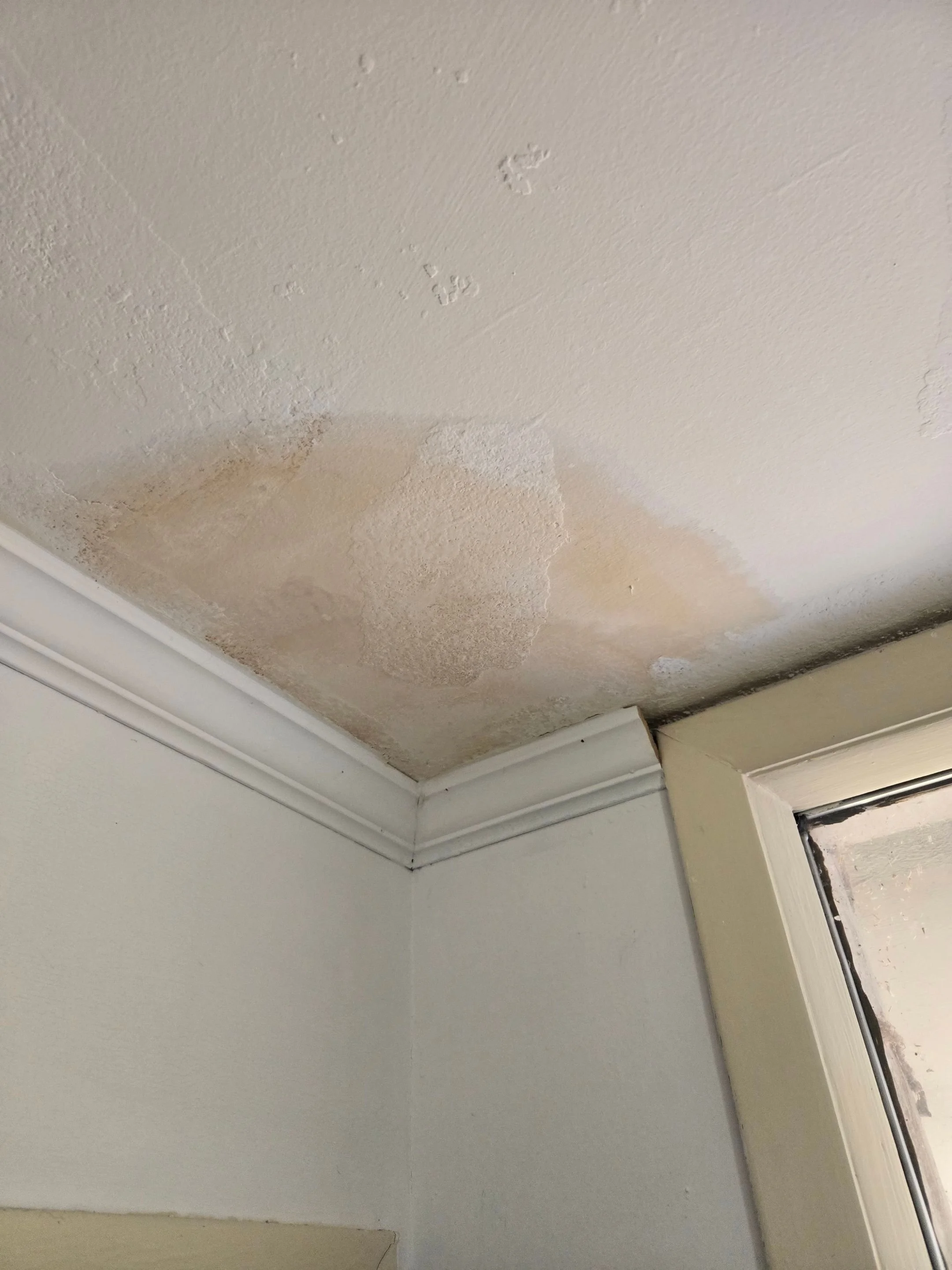
By the time you spot that first water stain on your ceiling, your roof has usually been dealing with a problem for a while. A visible stain is often the last step in the process that usually is hard to spot, like a cracked seal, and works its way in before you ever notice anything inside.
Alabama's climate doesn't make things easy on roofs. Between the intense summer sun, high humidity, and the kind of storms that roll through fast and hit hard, certain parts of a roof tend to wear down faster than others. That's why, when leaks happen, they tend to show up in the same spots time and again.
In this guide, we'll walk through those common trouble spots, share what signs to watch for, explain what can be done to reinforce vulnerable areas, and let you know when it's worth calling NANOROOF™ Alabama for a free, thorough, photo-documented roof inspection.
The Most Common Places Roof Leaks Start
Roof Vents, Pipe Boots , and Other Penetrations
Any spot where something pokes through your roof — plumbing vents, exhaust vents, furnace flues, satellite dish mounts — is a natural weak point. The rubber or metal boots and flashing that seal these openings can crack, dry out, or pull away over time due to Alabama's heat and UV exposure.
When those seals are compromised, water can travel right down the pipe or fasteners and eventually show up as ceiling stains, wet insulation, or musty smells in the home or attic.
Ideally, worn and cracked boots should be replaced with high-quality, UV-resistant materials designed for Southern heat. Loose flashing should be resealed and secured with roofing-grade sealants and fasteners and anything mounted to the roof should be anchored into the framing with correct flashing.
NANOROOF™ Alabama’s Roof Tune-Up includes a close look at all of those details — tightening, recaulking, and taking care of minor issues before they have a chance to turn into active leaks.
Chimneys and Chimney Flashing
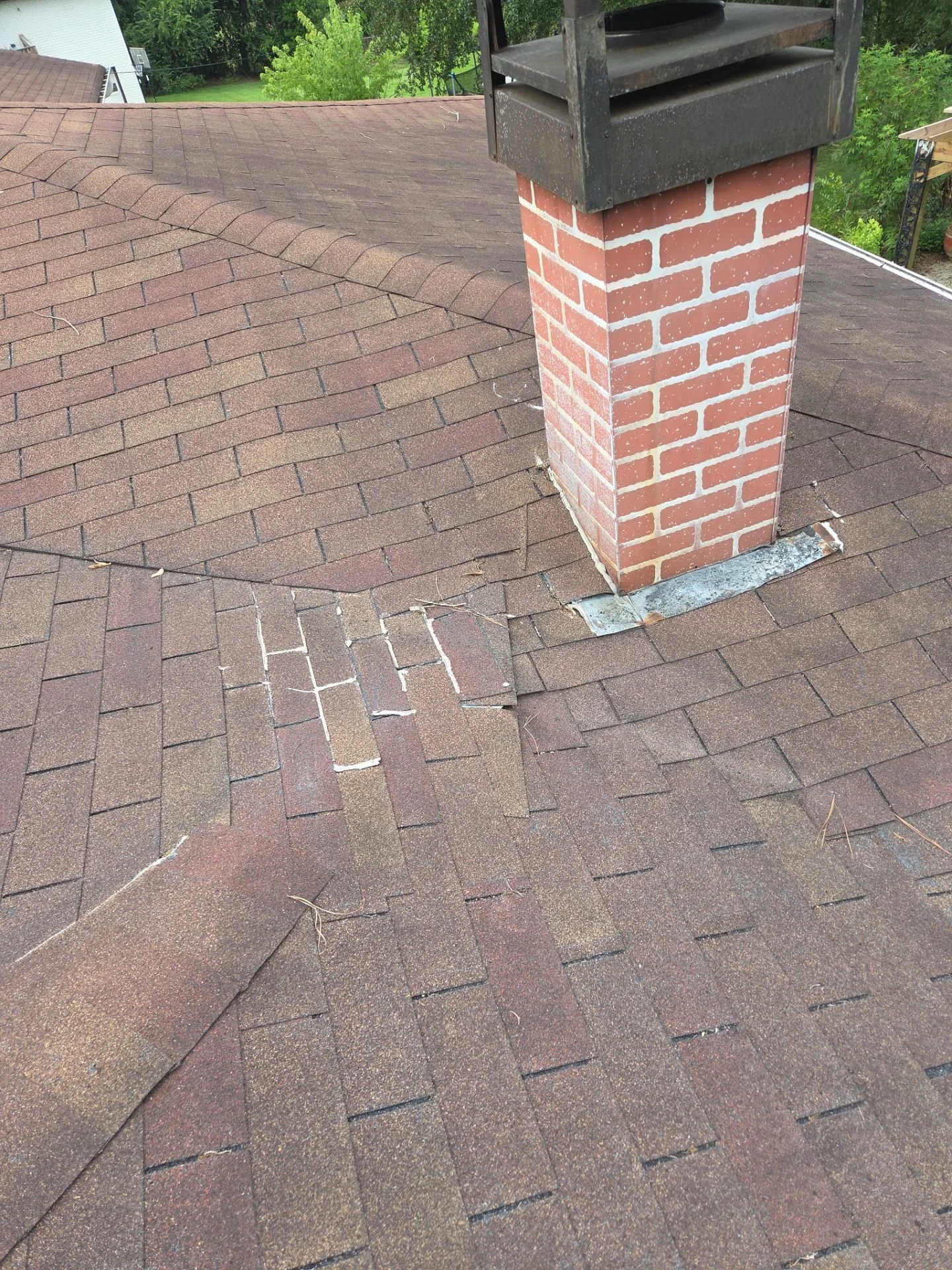
Chimneys are one of the trickiest parts of a roof to keep watertight. Whether your chimney is brick masonry or a framed chase clad in siding or stucco, it's still one of the most leak-prone areas on any roof. Multiple materials come together at the chimney — flashing, shingles, and whatever the exterior finish is — and they all age and move differently. Damaged step flashing, cracked mortar joints, and deteriorated chimney crowns each create an opening where water can work its way in.
Signs of a chimney leak often include water stains or peeling paint on walls near the fireplace, damp spots in the attic around the chimney base, or water marks running down the interior walls near the chimney.
Failing flashing and seal transitions should be replaced with roofing-grade materials, not general-purpose sealants. Cracked mortar joints or other chimney exterior damage should be addressed quickly before water finds its way deeper into the structure.
Roof Valleys — Where Two Slopes Meet
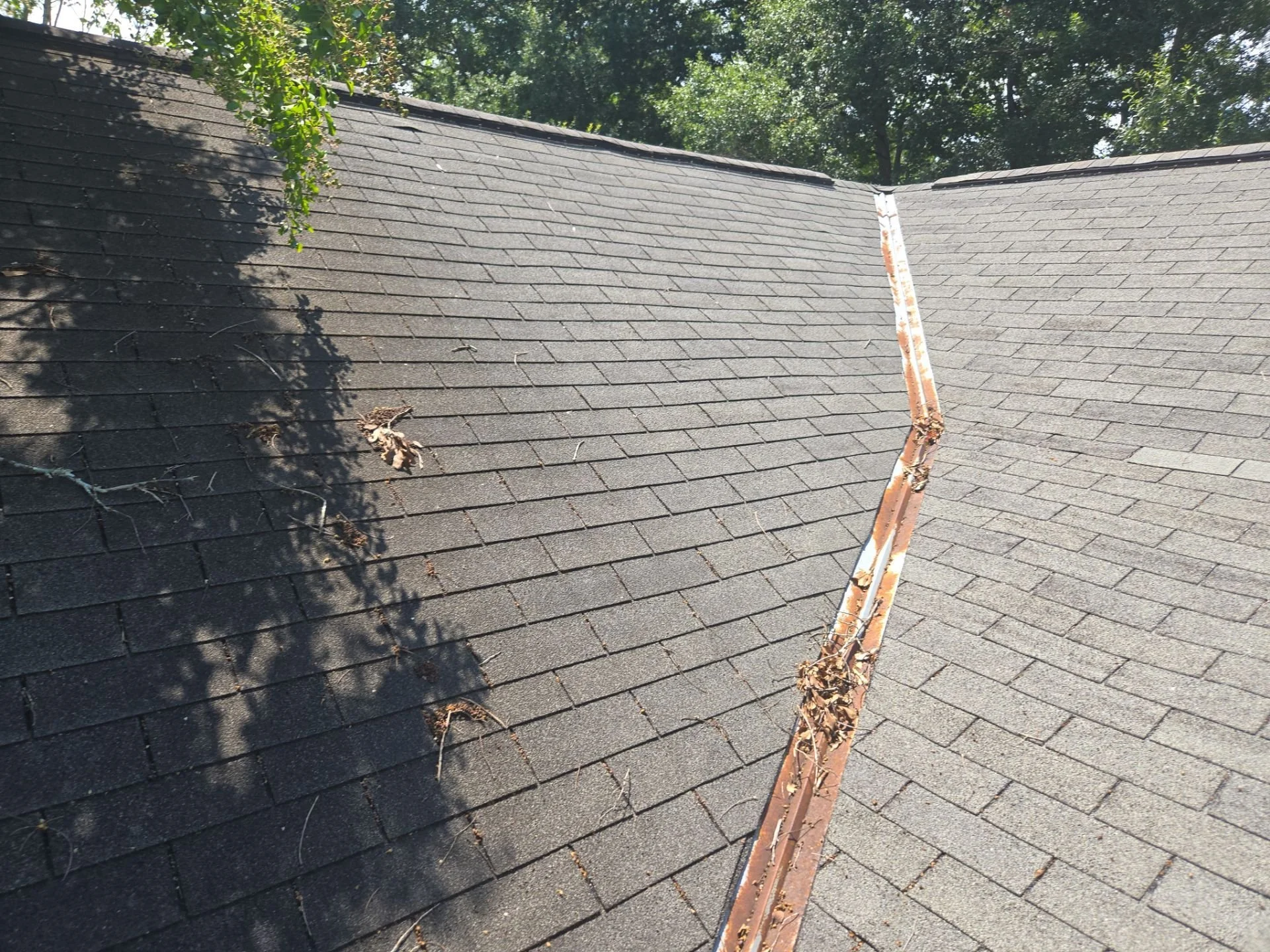
Roof valleys act as the drainage channels of your roof, funneling a large volume of water on every rainy day. That constant water flow makes them especially vulnerable — particularly if the valley metal or underlayment gets damaged, or if debris builds up and starts trapping moisture against the surface.
Valley leaks can show up in different ways inside — sometimes as water stains or discolored patches on ceilings near where two roof slopes meet, though water often travels before it drips, so the stain may not appear directly below the problem area.
To help reduce the opportunity for these leaks to develop, roof valleys should be kept clear of leaves, pine needles, and other debris so water can flow freely. Any rusted, cracked, or lifted flashing (as well as any damaged shingles) should be repaired or replaced. In addition, underlayment should be properly lapped and sealed.
Skylights and Their Flashing
Skylights are wonderful for bringing natural light into a home, but they're essentially a hole in the roof — surrounded by flashing and sealants that can degrade over time. When seals shrink, flashing loosens, or debris accumulates around the frame, water will find its way in, often during windy storms.
Common signs of leaks due to skylights include water spots on the ceiling around the skylight, bubbling paint along the light shaft, or drips that seem to appear during heavy or wind-driven rain.
The skylight frame, glass seal, and shingles around it shouldn’t have any gaps, cracks, or granule loss, as these can contribute to leaks. In addition, step flashing and head flashing that is rusted or damaged should be replaced or repaired. Any debris surrounding the skylight should be removed so as to keep water and moisture from collecting and sitting around the frame.
NANOROOF™ Alabama can help determine whether a skylight issue is a flashing problem or a sign that the unit itself needs replacing — and we document it with photos so you can make an informed decision.
Gutters, Downspouts, and Roof Edges
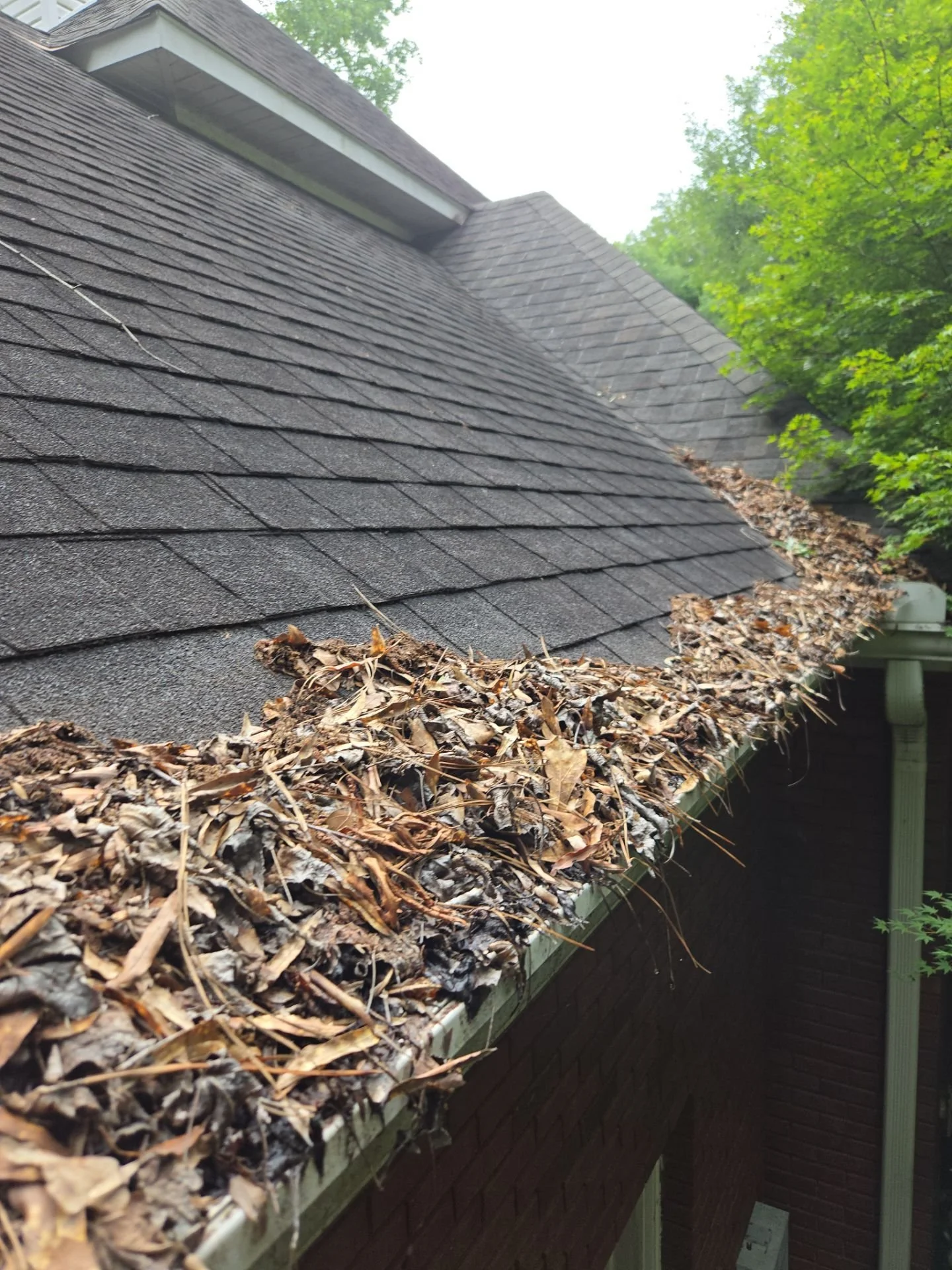
Clogged or damaged gutters might not seem like a roofing problem, but they can cause serious damage. When water can't drain properly, it backs up and pools along the roof's edge, where it can work under shingles and eventually lead to interior leaks, soffit & fascia damage.
In heavy Alabama rains — especially when trees drop a lot of debris onto the roof — this problem can escalate quickly. If a roof leak is due to your gutters or roof edges, you might notice staining near exterior walls or along the eaves inside your home.
A clear gutter is one that drains properly! Make sure your gutters stay clean and free of debris, especially in the fall and after storms. If your gutters are sagging, loose, or have begun pulling away, it should be addressed quickly to prevent leaks. Drip edge and edge flashing should stay intact to prevent wind-driven rain from sneaking under the shingles.
Aging or Damaged Shingles Across the Main Roof Surface
Sometimes a leak isn't tied to a single trouble spot — it's the result of general wear across the whole roof surface over a long period of time. As asphalt shingles age, they lose flexibility and the protective granules that give them weather resistance. That can lead to cracking, curling, or shingles blowing off entirely if the roof is old enough, opening up pathways for water to reach the deck.
From the ground you might notice widespread granule loss, shingles that look bald or patchy, or areas that appear cracked, cupped, or curled. You might even find an accumulation of granules in gutters.
Any shingles that are cracked, curled, lifted, or missing entirely should be promptly replaced so water doesn’t get the chance to reach the roof deck underneath. This is where a quality underlayment also comes into play — the right underlayment will provide an additional layer of protection that can make your roof last longer.
NANOROOF™ Alabama uses high-quality synthetic underlayments on all roof replacements to ensure longevity. Also, our team provides an advanced Roof Preservation maintenance option, designed to seal shingles, lock in granules, block UV rays, guard against moss/algae growth, and add durability & hydrophobicity — which will add up to 15 more years of life to roofs that aren’t too far gone. Learn More about Roof Preservation
How to Spot a Roof Leak & What To Do Next
As mentioned before, not all roof leaks are visible at first. But if water has been collecting long enough, there’s some things you’ll usually notice.
Common Warning Signs of a Roof Leak
Yellow or brown rings on ceilings or upper walls, especially if they show up or grow worse after rain
Peeling paint, bubbling drywall, or soft spots near chimneys, skylights, or roof vents
Damp or matted insulation in the attic or any sign of mold or mildew
Visible daylight coming in through the roof deck or wood that looks swollen, stained, or darkened.
The best defense against leaks is staying ahead of them. Regular, proactive maintenance goes a long way toward keeping small problems from turning into expensive ones.
How to Help Prevent Roof Leaks from Forming
Keep gutters, downspouts, and roof valleys clear of leaves and debris
Trim back overhanging branches that drop debris onto the the roof or rub against shingles
After major storms, do a quick visual check from the ground for missing shingles, lifted flashing, or anything that looks out of place
Schedule an annual free roof inspection with NANOROOF™ Alabama
Consider our NANOSealer SPS Roof Preservation treatment, which is a silicone-based nanomaterial that extends the life of asphalt shingles up to 15 years for about a third of the cost of a roof replacement (on qualifying roofs)
Combining your own watchfulness with professional inspections and maintenance is the most effective way to protect your home from unexpected leak damage.
Why Alabama Homeowners Choose NANOROOF™ Alabama
Alabama's weather puts a lot of stress on roofs — relentless summer sun, sudden heavy downpours, and storm seasons that can turn severe in a hurry. That's exactly why NANOROOF™ Alabama takes a detailed, transparent approach to every roof we look at. We're not here to upsell you on something you don't need. We're here to give you clear information so you can make good decisions about your home.
Here's what you can expect when you give us a call:
✅ Free, no-pressure roof inspections — honest, thorough, and tailored to what Alabama homes actually deal with.
✅ Drone images and photo documentation so you can see every concern clearly, not just take our word for it.
✅ A 4-step NANOSealer SPS Roof Preservation process for qualifying asphalt roofs: inspection, Roof Tune-Up, Roof Deep Clean, and application of our advanced nanomaterial silicone-based treatment to extend roof life and improve durability.
✅ High-quality Atlas roofing systems for full asphalt roof replacements when the time comes, backed by a 50-Year Warranty.
✅ Superior corrugated and standing seam metal roof installations designed to last and withstand Alabama weather
✅ Every project backed by a Lifetime Workmanship Warranty. We stand by our work!
If you've noticed water stains inside, have concerns about your chimney, vents, or valleys, or just haven't had anyone look at your roof in a while — we'd be glad to help. Reach out to our team to schedule your free roof inspection. We'll walk you through what we find with real photos and honest options that fit your home and your budget. No scare tactics, no pressure — just straight talk about your roof.